

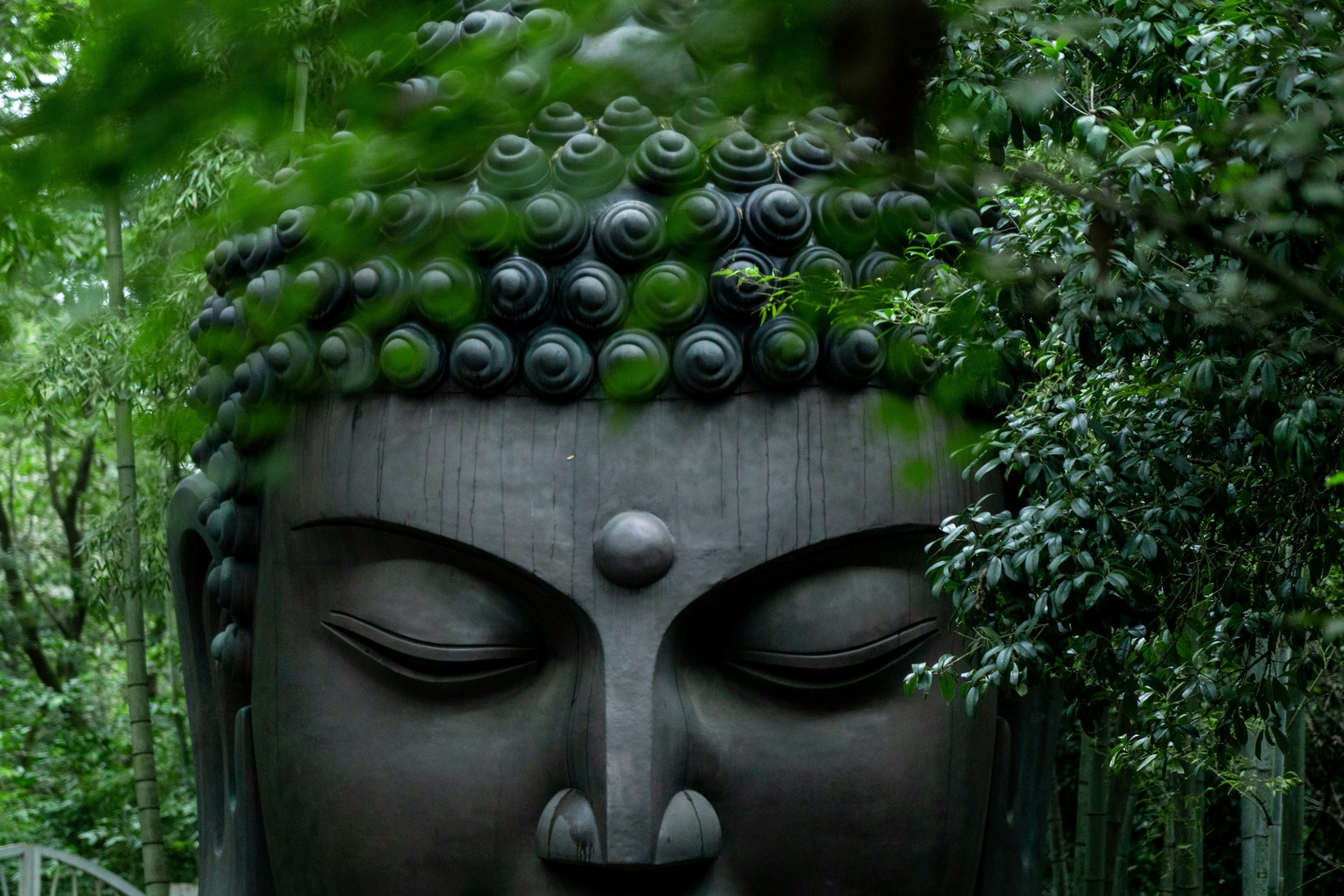
In a world that often feels chaotic and overwhelming, many people seek solace in philosophies that promise inner peace and resilience. Two such traditions, Stoicism and Buddhism, have gained popularity for their practical approaches to life’s challenges. Stoicism, rooted in ancient Greek philosophy, teaches the importance of virtue, reason, and acceptance of what we cannot control. Meanwhile, Buddhism, with its origins in ancient India, emphasizes mindfulness, compassion, and the understanding of suffering. Both philosophies offer valuable insights into how we can navigate the complexities of life with grace and tranquility.
At first glance, Stoicism and Buddhism may seem worlds apart, emerging from different cultures and historical contexts. However, they share a common goal: to help individuals cultivate a sense of inner peace amidst the inevitable turmoil of existence. By examining their teachings and practices, we can uncover profound wisdom that can guide us in our daily lives. This exploration invites us to consider how these two philosophies can inform our understanding of inner peace and provide practical tools for achieving it.
In exploring the philosophical similarities and differences between Stoicism and Buddhism, one might find it enlightening to read the article on the practical applications of these ancient teachings. The article delves into how both philosophies address suffering and the pursuit of inner peace, offering valuable insights for modern life. For a deeper understanding, you can check out the article here: Stoicism vs. Buddhism: A Comparative Study.
The Similarities in Stoicism and Buddhism
One of the most striking similarities between Stoicism and Buddhism is their recognition of the impermanence of life. Both philosophies teach that suffering is an inherent part of the human experience. Stoics believe that external events are beyond our control, and it is our reactions to these events that determine our emotional state. Similarly, Buddhism posits that attachment to transient things leads to suffering. By acknowledging the fleeting nature of life, both traditions encourage us to cultivate a mindset that embraces acceptance rather than resistance.
Another shared principle is the emphasis on mindfulness and self-awareness. Stoicism encourages individuals to reflect on their thoughts and actions, promoting a disciplined approach to life. This self-examination helps us identify what truly matters and align our actions with our values. In Buddhism, mindfulness is a central practice that involves being fully present in each moment. By cultivating awareness of our thoughts and feelings, we can develop a deeper understanding of ourselves and the world around us. Both philosophies advocate for a conscious engagement with life, urging us to live intentionally rather than reactively.
The Differences in Stoicism and Buddhism

Despite their similarities, Stoicism and Buddhism diverge in significant ways, particularly in their views on desire and attachment. Stoicism teaches that desires can lead to disturbances in our emotional well-being. The Stoic ideal is to cultivate apatheia, a state of being free from destructive emotions by practicing self-control and rationality. In contrast, Buddhism acknowledges that desire is a fundamental aspect of human existence but encourages us to transform our relationship with it. Rather than suppressing desire entirely, Buddhism teaches that we should understand its nature and learn to let go of attachments that lead to suffering.
Another key difference lies in the ultimate goal of each philosophy. For Stoics, the pursuit of virtue is paramount; living a virtuous life aligned with reason is the path to eudaimonia, or human flourishing. In contrast, Buddhism aims for enlightenment—an awakening to the true nature of reality that transcends suffering altogether. While both paths lead toward inner peace, they do so through different lenses: Stoicism through ethical living and rational thought, and Buddhism through spiritual awakening and compassion.
The Concept of Inner Peace in Stoicism

In Stoicism, inner peace is achieved through the cultivation of virtue and the practice of acceptance. The Stoics believed that true tranquility comes from aligning one’s life with reason and virtue rather than being swayed by external circumstances. This means recognizing what is within our control—our thoughts, intentions, and actions—and what is not—external events and the behavior of others. By focusing on our responses rather than the events themselves, we can maintain a sense of calm even in turbulent times.
Moreover, Stoicism teaches the importance of perspective. The practice of negative visualization—imagining the loss of what we hold dear—can help us appreciate what we have while also preparing us for potential hardships. This mental exercise fosters gratitude and resilience, allowing us to face challenges with equanimity. By embracing the Stoic belief that adversity can be an opportunity for growth, we can cultivate a deeper sense of inner peace that remains steadfast regardless of life’s ups and downs.
In exploring the philosophical parallels and differences between Stoicism and Buddhism, one might find it interesting to read a related article that delves into the practical applications of these ancient teachings. For instance, the article discusses how both philosophies encourage mindfulness and emotional resilience, offering valuable insights for modern life. You can check it out here for a deeper understanding of how these two schools of thought intersect and diverge: everybody loves pineapples and donuts.
The Concept of Inner Peace in Buddhism
| Aspect | Stoicism | Buddhism |
|---|---|---|
| Origin | Ancient Greece | Ancient India |
| Goal | Attaining tranquility and virtue | Attaining enlightenment and liberation from suffering |
| Focus | Emotional resilience and self-control | Mindfulness and meditation |
| Belief in God | Some Stoics believed in a divine force | Non-theistic, no belief in a creator god |
| View on suffering | Acceptance of hardship as a natural part of life | Recognition of suffering as inherent in life and the importance of ending it |
Buddhism offers a rich understanding of inner peace rooted in the Four Noble Truths, which outline the nature of suffering and the path to liberation from it. Central to this teaching is the recognition that suffering arises from attachment and craving. By understanding the impermanent nature of all things, we can begin to let go of our attachments and desires that lead to dissatisfaction. This process fosters a profound sense of inner peace as we learn to accept life as it is rather than how we wish it to be.
Mindfulness plays a crucial role in achieving inner peace within Buddhism. Through practices such as meditation, individuals cultivate awareness of their thoughts and emotions without judgment. This non-reactive awareness allows us to observe our experiences without becoming entangled in them. As we develop this skill, we can create space between stimulus and response, leading to greater emotional regulation and tranquility. Ultimately, Buddhism teaches that inner peace arises from a deep understanding of ourselves and our interconnectedness with all beings.
Techniques for Finding Inner Peace in Stoicism
Stoicism offers several practical techniques for cultivating inner peace in daily life. One effective method is journaling, which allows individuals to reflect on their thoughts and actions regularly. By writing down our experiences, we can gain clarity on what truly matters to us and identify areas where we may be reacting emotionally rather than rationally. This practice fosters self-awareness and helps us align our actions with our values.
Another powerful technique is the practice of reframing negative thoughts. When faced with challenges or setbacks, Stoics encourage us to reframe our perspective by asking ourselves what we can learn from the situation or how it might contribute to our growth. This shift in mindset not only alleviates distress but also empowers us to approach difficulties with resilience and optimism.
Techniques for Finding Inner Peace in Buddhism
Buddhism provides a variety of techniques aimed at fostering inner peace through mindfulness and compassion. Meditation is perhaps the most well-known practice associated with Buddhism. By sitting quietly and focusing on the breath or a specific mantra, individuals can cultivate a sense of calm and presence. Regular meditation practice helps train the mind to remain anchored in the present moment, reducing anxiety about the past or future.
Additionally, loving-kindness meditation (metta) is a powerful technique for developing compassion toward oneself and others. This practice involves silently repeating phrases that express goodwill toward oneself and gradually extending those wishes to others—friends, acquaintances, even those with whom we have conflicts. By nurturing feelings of compassion, we can dissolve barriers between ourselves and others, fostering a sense of connection that contributes to inner peace.
Practical Applications of Stoicism for Inner Peace
Incorporating Stoic principles into daily life can significantly enhance our sense of inner peace. One practical application is the daily practice of gratitude. By taking time each day to acknowledge what we are thankful for—whether it’s supportive relationships or simple pleasures—we cultivate an appreciation for the present moment. This practice aligns with Stoic teachings by helping us focus on what we have rather than what we lack.
Another application involves setting intentions based on Stoic virtues such as wisdom, courage, justice, and temperance. By consciously choosing to embody these virtues in our interactions with others and ourselves, we create a framework for ethical living that fosters inner peace. For instance, approaching conflicts with justice rather than anger allows us to navigate difficult situations with grace while maintaining our integrity.
Practical Applications of Buddhism for Inner Peace
Buddhism offers numerous practical applications for cultivating inner peace in everyday life as well. One effective approach is incorporating mindfulness into routine activities—whether eating, walking, or even washing dishes—by fully engaging with each moment without distraction. This practice not only enhances our appreciation for daily experiences but also helps reduce stress by grounding us in the present.
Additionally, establishing a regular meditation practice can serve as a cornerstone for finding inner peace through Buddhism. Even just a few minutes each day dedicated to sitting quietly can create a profound shift in how we relate to our thoughts and emotions over time. As we become more adept at observing our mental patterns without judgment, we cultivate an inner landscape characterized by calmness and clarity.
Combining Stoicism and Buddhism for Inner Peace
While Stoicism and Buddhism each offer unique insights into achieving inner peace, they are not mutually exclusive; rather, they can complement one another beautifully. By integrating Stoic practices such as reframing negative thoughts with Buddhist mindfulness techniques like meditation, individuals can create a holistic approach to navigating life’s challenges.
For instance, when faced with adversity, one might apply Stoic reframing techniques while simultaneously practicing mindfulness meditation to observe their emotional responses without judgment. This combination allows for greater emotional resilience while fostering an understanding of impermanence—a key tenet in both philosophies. Ultimately, blending these traditions can lead to a richer experience of inner peace that draws on the strengths of both approaches.
Finding Inner Peace through Stoicism and Buddhism
In our quest for inner peace amidst life’s uncertainties, both Stoicism and Buddhism offer invaluable guidance rooted in centuries of philosophical thought. By embracing their teachings—whether through cultivating virtue and acceptance or practicing mindfulness and compassion—we can develop a deeper understanding of ourselves and our place in the world.
As we navigate daily challenges armed with these insights, we find that inner peace is not merely an abstract concept but a practical reality accessible through intentional living. Whether through journaling or meditation, reframing negative thoughts or nurturing compassion toward ourselves and others, we have the tools at our disposal to foster tranquility within ourselves.
Ultimately, the journey toward inner peace is deeply personal yet universally relevant—a shared human experience that transcends cultural boundaries. By exploring the wisdom found in both Stoicism and Buddhism, we open ourselves up to new possibilities for living meaningfully amidst life’s inevitable ups and downs.
FAQs
What is Stoicism?
Stoicism is a school of philosophy that originated in ancient Greece, focusing on the development of self-control and fortitude as a means of overcoming destructive emotions. It teaches the importance of living in accordance with nature and accepting the things we cannot control.
What is Buddhism?
Buddhism is a religion and philosophy that originated in ancient India, founded by Siddhartha Gautama, also known as the Buddha. It emphasizes the practice of meditation, mindfulness, and the cultivation of wisdom and compassion to achieve enlightenment and liberation from suffering.
What are the key differences between Stoicism and Buddhism?
Stoicism is a philosophy that emphasizes rationality, self-discipline, and the acceptance of fate, while Buddhism is a religion that focuses on the Four Noble Truths, the Eightfold Path, and the concept of karma and rebirth. Stoicism is more focused on personal virtue and resilience, while Buddhism places greater emphasis on the nature of suffering and the path to liberation.
How do Stoicism and Buddhism approach the concept of suffering?
Stoicism teaches that suffering is an inevitable part of life and that one should cultivate inner strength and resilience to endure it. Buddhism, on the other hand, views suffering as a fundamental aspect of existence and seeks to understand its causes and transcend it through the practice of mindfulness, compassion, and wisdom.
Can Stoicism and Buddhism be practiced together?
While Stoicism and Buddhism have different philosophical and religious foundations, some individuals find value in integrating aspects of both traditions into their personal practice. Both philosophies share common themes such as the importance of self-awareness, ethical conduct, and the pursuit of inner peace, which can complement each other in a holistic approach to personal development.